


How to Repurpose Your Content Across Multiple Platforms

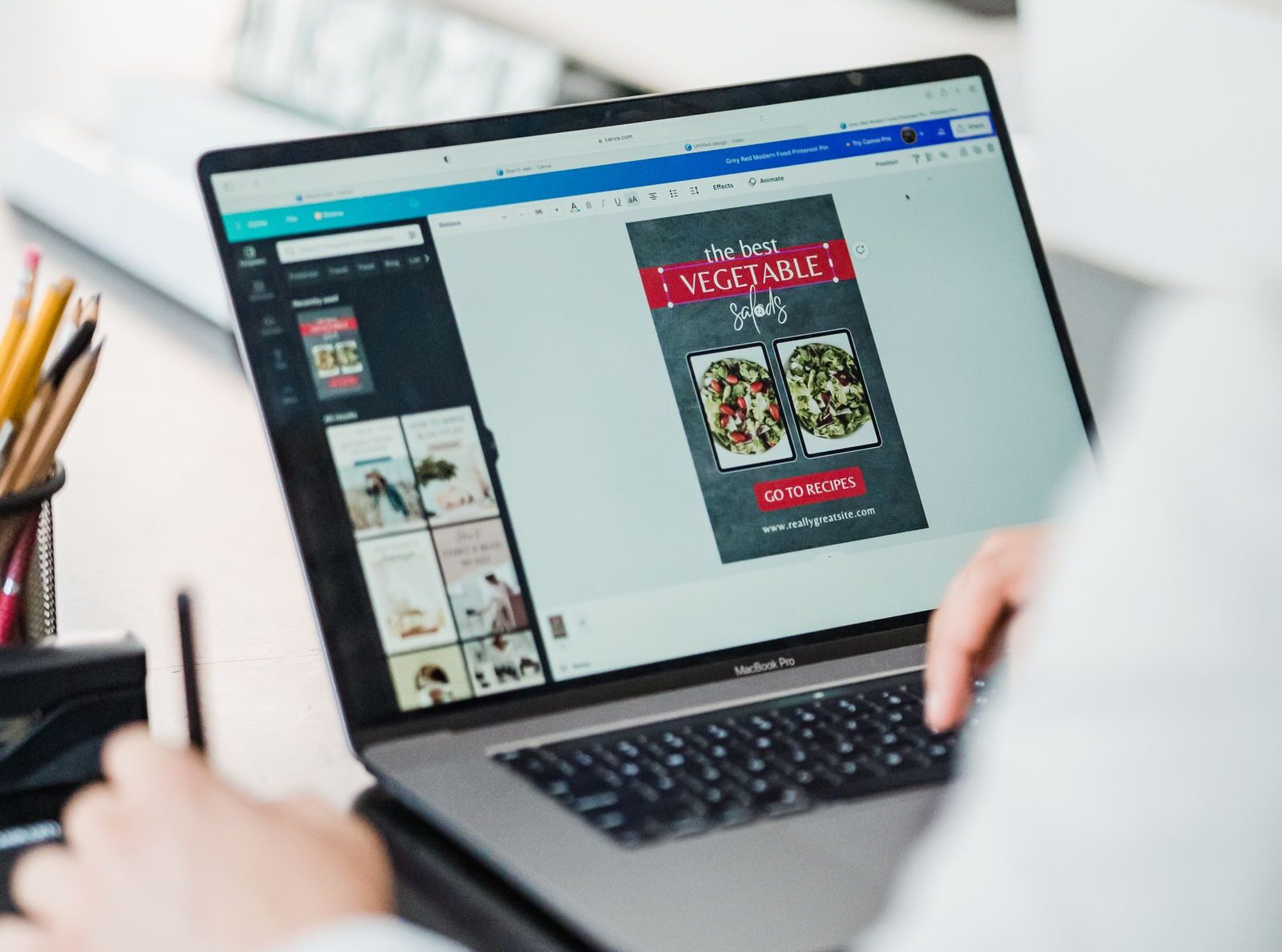
One of the biggest mistakes online educators make with their content is treating each piece as a one-time use asset. You spend three hours crafting a detailed blog post, publish it, get a reasonable response, and then start from scratch on the next piece. Meanwhile, that blog post — with a little repurposing creativity — could fuel an entire week of social media content, a podcast episode, a newsletter, a short video, and a lead magnet. That is the power of content repurposing, and it is how the most productive content creators get maximum reach from every piece they make.
The Repurposing Mindset Shift
The shift starts with how you think about content creation. Instead of thinking “I need to create ten pieces of content this week,” think “I need to create one great piece of content this week and repurpose it ten times.” The quality of your foundational content will naturally be higher when you give it the time it deserves, and the repurposed versions will be more coherent and on-brand because they all come from the same core idea.
This approach is not about lazy duplication. It is about extracting the full value from ideas that deserve to be heard more than once, by more people, in more places.
Start With Your Pillar Content
Pillar content is a substantial, high-value piece — typically a long-form blog post, a detailed video, a webinar, or a podcast episode — that covers a topic comprehensively. This becomes the source material from which everything else is derived.
For Primeversity, a pillar content piece might be a full blog post on course creation, a 60-minute webinar on AI tools for business, or a detailed guide on pricing strategies for online coaches. That one piece then becomes the factory for a week or more of content across every platform.
The Repurposing Map
Once you have your pillar content, the repurposing map looks like this. Extract the key points and turn each one into a standalone social media post — one insight, one lesson, one story per post. Take the most compelling section and record a short video version for Instagram, LinkedIn, or YouTube Shorts. Pull a powerful quote or statistic and turn it into a graphic. Summarise the key takeaways into a newsletter edition. Create a quick checklist from the actionable steps and use it as a lead magnet.
That is one piece of content becoming eight to ten pieces without producing anything fundamentally new. You are serving your audience across the platforms where they spend time, in the formats they prefer to consume, with ideas that are coherent and connected because they all come from the same source.
Maintain the Thread, Adapt the Format
The key principle of effective repurposing is to maintain the core idea while adapting the format for each platform. What works as a 1,500-word blog post will not work as a 280-character tweet. What works as a 20-minute webinar will not work as an Instagram Reel. Each format has its own conventions, its own pace, its own level of depth — and your repurposed content should honour those conventions rather than fighting them.
A short social media post based on a blog article should capture the essence, not excerpt the text. A video version should add the energy and personality that written content cannot convey. Each adaptation should feel native to its platform, not like a copy-paste job.
Build a Repurposing System
The educators and coaches who do this most effectively have a system — a documented, repeatable process for what happens after every pillar content piece is created. Having a clear repurposing workflow, even a simple one, is the difference between repurposing happening consistently and repurposing being an occasional good intention.
Start simple. When you write your next blog post or record your next video, challenge yourself to create three pieces of social content from it before you move on to anything else. That habit, built consistently over months, will transform your content output and your platform reach — without burning you out in the process.